
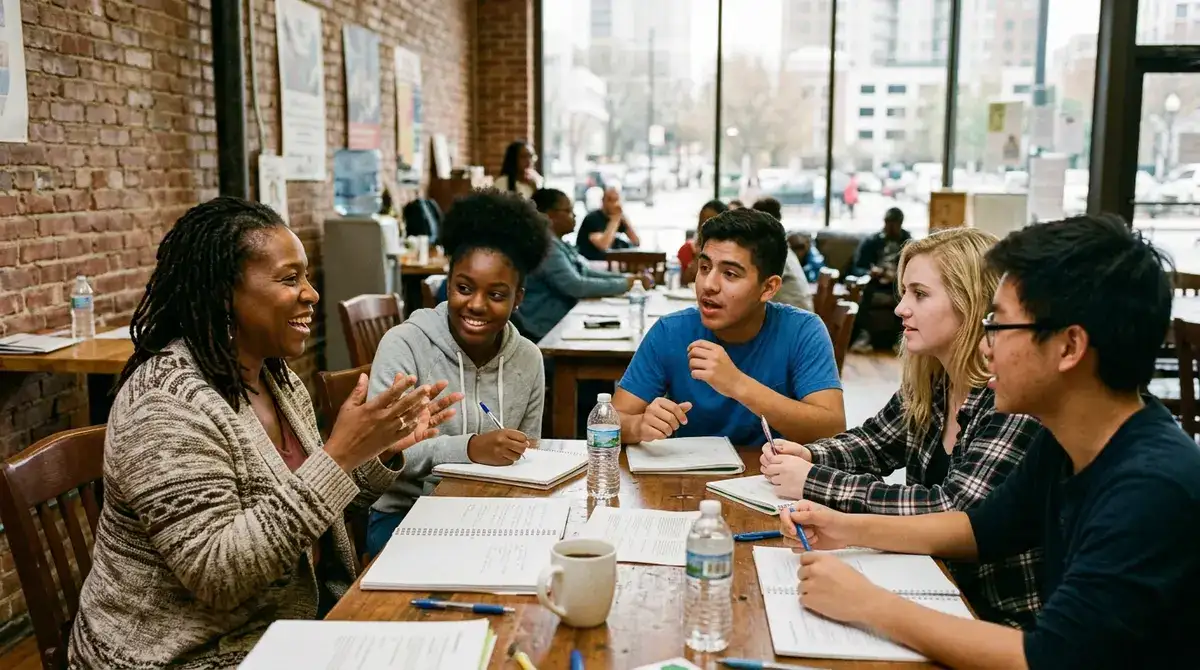
In a growing city like Atlanta, the future of the community is closely tied to the opportunities given to its younger generation. When young people are supported early—through guidance, education, and real opportunities—they are more likely to grow into individuals who contribute positively to their surroundings.
Youth empowerment is not just about giving encouragement. It is about creating environments where young individuals feel capable, valued, and ready to take initiative.
Building Confidence Through Real Experiences
Confidence doesn’t come from theory alone—it develops through experience. Many youth empowerment initiatives focus on giving young people the chance to participate, contribute, and make decisions.
Whether through community activities, mentorship, or structured programs, these experiences help young individuals:
- develop self-confidence
- improve communication skills
- learn how to navigate real challenges
Over time, these small experiences build a strong foundation for future leadership.
The Role of Education in Youth Development
Education plays a central role in shaping young leaders. Beyond academic learning, it helps individuals understand their environment, think critically, and make informed decisions.
Many programs combine education with real-world application, allowing youth to:
- apply what they learn in meaningful ways
- engage with their communities
- prepare for future opportunities
This connection between learning and action is what makes education a powerful tool for long-term development.
Learning Leadership Through Community Involvement
Leadership is often learned by doing. When young individuals take part in community initiatives, they begin to understand responsibility, teamwork, and the impact of their actions.
Programs that encourage community involvement allow youth to:
- work alongside others
- contribute to local initiatives
- take ownership of small but meaningful roles
These experiences naturally connect to leadership development, as young individuals begin to see themselves as active participants rather than passive observers.
Creating Support Systems That Make a Difference
No young person grows alone. Support systems—whether through mentors, community programs, or peer networks—play a key role in shaping development.
Strong support systems provide:
- guidance during challenges
- encouragement to keep progressing
- a sense of belonging within the community
In many parts of Atlanta, these support structures are what help turn potential into real impact.
When Young People Start Leading Change
One of the most meaningful outcomes of youth empowerment is seeing young individuals step into leadership roles. This doesn’t always mean formal positions—it often starts with small actions.
It can be:
- initiating community activities
- supporting peers
- contributing ideas and solutions
Over time, these actions create a ripple effect, influencing others and strengthening the community as a whole.
A Future Shaped by Opportunity and Action
Empowering youth is ultimately about creating opportunities and trusting the next generation to grow into them. When young people are given the tools, guidance, and space to develop, they don’t just prepare for the future—they begin shaping it.
Across Atlanta, that impact is already visible in communities where young individuals are stepping forward, building connections, and contributing in meaningful ways. And while the results may not always be immediate, the long-term effect is clear: stronger leaders, stronger communities, and a future built on shared effort.